Skip to content
+91 7827219633 All days: 10:00 AM – 6:00 PM info@sehgalivfcentre.com
Tubal-factor infertility

Blocked Fallopian Tubes Treatment for Infertility

The fallopian tubes connect the ovaries with the uterus and provide the pathway where egg and sperm meet. Blocked or damaged tubes are an important cause of female-factor infertility, but a blocked tube does not automatically mean pregnancy is impossible.

Medically reviewed by Dr. Ruchi Malhotra, MBBS, MS (Obstetrics & Gynaecology) · Reg. No. 6111 · Last reviewed October 2026
Consultation room at Sehgal IVF Centre, Delhi
One tube blocked

If the other tube is healthy and open, natural pregnancy may still be possible.

Both tubes blocked

Treatment may be needed, as sperm and egg cannot normally meet through the tubes.

Evaluation first

We check whether a tube is actually blocked, where, and which options may suit you.

What are fallopian tubes?

The pathway where conception begins

Fallopian tubes are narrow structures between the ovaries and uterus. A healthy, functioning tube plays an important role in natural conception. During a natural cycle:

  1. 1An egg develops in an ovary
  2. 2Ovulation releases the egg
  3. 3The fallopian tube helps capture the egg
  4. 4Sperm travel toward the tube
  5. 5Fertilisation usually occurs in the tube
  6. 6The embryo travels toward the uterus

When the tubes are blocked or significantly damaged, this process can be affected: sperm may struggle to reach the egg, or a fertilised egg may not travel to the uterus.

What does a blocked tube mean?

Where the blockage is, and how severe, matters

A blocked fallopian tube means the normal passage is narrowed or closed. It can affect one tube or both, and occur at different points along the tube. The location and severity can affect treatment decisions.

Ovary
DistalNear the ovary
MiddleMiddle portion
ProximalNear the uterus
Uterus

A tube may be

  • Completely blocked
  • Partially blocked
  • Narrowed
  • Scarred
  • Distorted
  • Filled with fluid (hydrosalpinx)
Can blocked tubes cause infertility?

Yes, but it depends on one tube or both

Blocked or damaged tubes can interfere with the meeting of sperm and egg. The effect depends on whether one or both tubes are affected and how healthy the remaining tube is.

If one tube is blocked

Pregnancy may still be possible

If the other tube is open and functioning, sperm and egg may still meet naturally. Pregnancy also depends on:

  • Ovulation
  • Age
  • Ovarian reserve
  • Sperm quality
  • Health of the open tube
  • Uterine health
  • Endometriosis or other conditions

One open tube doesn't guarantee pregnancy, but it doesn't mean IVF is automatically necessary either.

If both tubes are blocked

IVF can bypass the tubes

Natural conception becomes very difficult when both tubes are completely blocked. During IVF, the egg is retrieved directly from the ovary and fertilised in the laboratory, and an embryo can then be transferred into the uterus.

The suitability and expected outcomes of IVF depend on your complete fertility profile.

Blocked tubes are often silent

Blocked fallopian tubes often do not cause obvious symptoms. Many women discover a tubal problem only during fertility testing, and some have no symptoms at all.

These signs don't prove the tubes are blocked; they are reasons to discuss testing with a specialist.

Possible symptoms or associated conditions

  • Difficulty becoming pregnant
  • Pelvic pain
  • Painful periods
  • Pain during intercourse
  • Previous pelvic infection
  • History of ectopic pregnancy
  • History of endometriosis
  • Previous pelvic or abdominal surgery
Causes

What causes blocked fallopian tubes?

Several conditions can cause tubal blockage or damage.

01

Pelvic infections

Can cause inflammation and scar tissue in or around the tubes. Some untreated STIs, such as chlamydia or gonorrhoea, can damage the reproductive tract.

02

Pelvic inflammatory disease

PID can inflame and scar the tubes. The damage may remain even after the infection has been treated.

03

Endometriosis

Can cause inflammation, adhesions and changes that interfere with normal tubal function in some women.

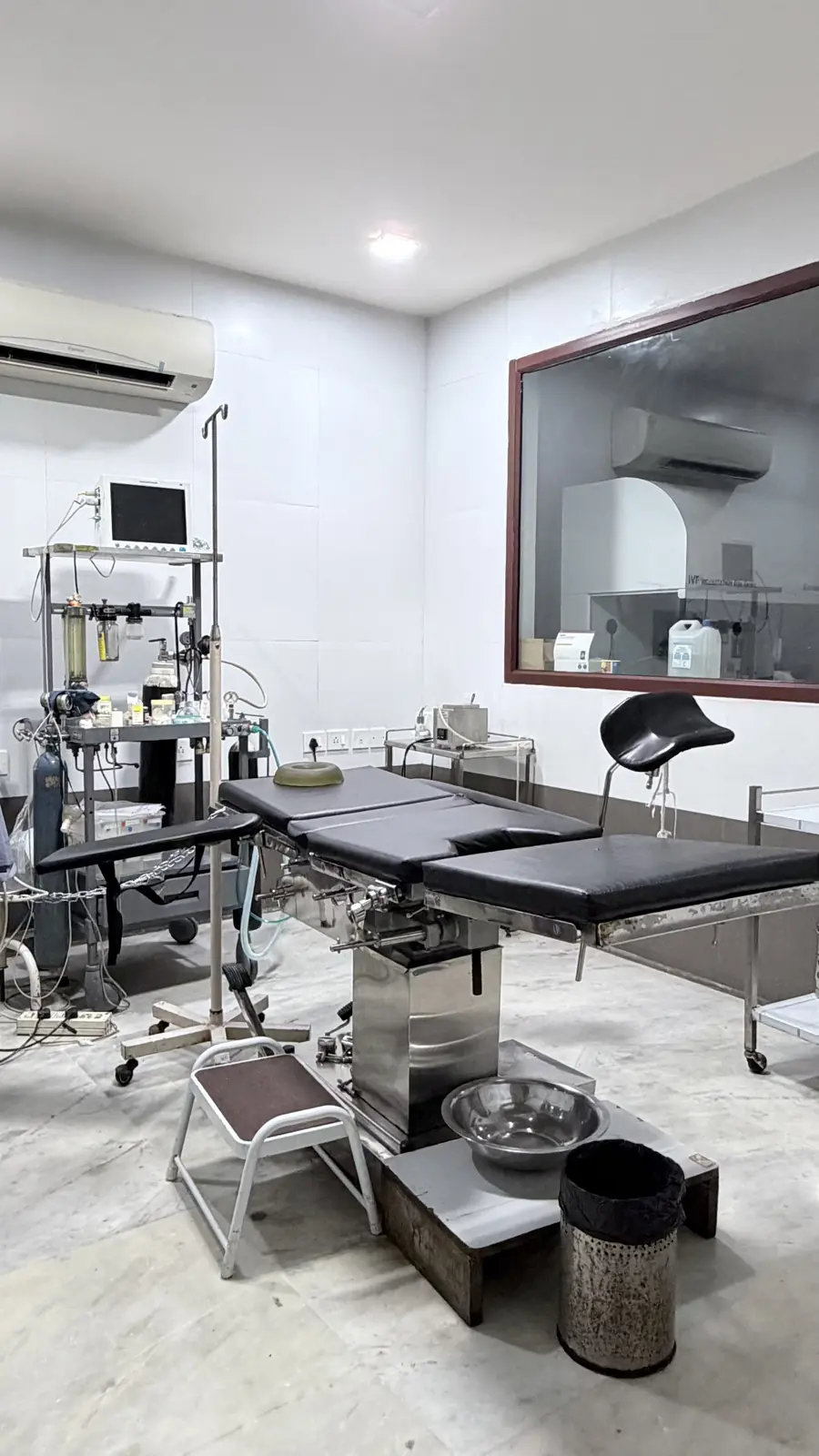
Operation theatre at Sehgal IVF Centre, Delhi
04

Previous pelvic surgery

Surgery involving the pelvis or abdomen may sometimes result in scar tissue or adhesions around the tubes.

05

Previous ectopic pregnancy

Can damage a tube or lead to surgical removal of the affected tube.

06

Hydrosalpinx

A severely damaged tube filled with fluid. Especially important for IVF, as untreated communicating hydrosalpinx can negatively affect outcomes.

07

Tuberculosis and other infections

Where genital tuberculosis occurs, it can cause significant tubal damage and scarring. A doctor may consider this based on history, symptoms and testing.

08

Previous sterilisation

Tubal sterilisation intentionally interrupts the tubes. Women who later want pregnancy may need assessment for tubal reversal or IVF.

Diagnosis

How are blocked fallopian tubes diagnosed?

A fertility specialist may use one or more tests to assess whether the tubes are open.

Commonly first-line

HSG (Hysterosalpingography)

An X-ray-based test of the uterus and tubes. Contrast dye is introduced through the cervix, and X-rays show whether the dye passes through the tubes. If it doesn't pass through a tube, blockage may be suspected.

Invasiveness
Ultrasound-based

Ultrasound tubal testing

Depending on the clinic and your circumstances, ultrasound techniques may assess tubal patency:

  • Sonohysterography
  • Contrast-enhanced tubal ultrasound
  • Other specialised techniques
Invasiveness
Minimally invasive surgery

Laparoscopy

A small camera inserted through a small incision lets the doctor examine the pelvis directly, with dye passed through the cervix to check the tubes. Considered when there's higher suspicion of pelvic disease; not automatically required for everyone.

Invasiveness
!

An HSG does not always give a final answer

An apparent blockage near the uterus can sometimes be caused by temporary tubal spasm, catheter position or other factors. If HSG suggests blockage, particularly bilateral proximal blockage, your doctor may recommend additional evaluation before deciding on treatment.

Types of blockage

Proximal vs distal tubal blockage

Near the uterus

Proximal tubal blockage

Possible causes include:

  • Temporary tubal spasm
  • Mucus or debris
  • Scarring
  • Previous infection
  • Endometriosis
  • Other structural changes

Some apparent proximal blockages may not represent permanent obstruction, so confirmation may be important before deciding on surgery.

Near the ovary

Distal tubal blockage

May be associated with:

  • Pelvic infection
  • Endometriosis
  • Adhesions
  • Hydrosalpinx
  • Previous pelvic surgery

The condition of the tube and surrounding tissues helps determine whether repair is appropriate.

Reception and waiting lounge at Sehgal IVF Centre, Adarsh Nagar, Delhi
HSG report says "blocked"?

Don't assume IVF or surgery is your only option

Your result should be interpreted with your age, ovarian reserve, fertility history, sperm factors and the location and severity of the tubal problem. Let our specialist explain what it really means.

Treatment

Blocked tubes treatment

There is no single treatment that is right for every woman with blocked tubes. Options may include tubal procedures, surgery or IVF, and the choice depends on:

  • One or both tubes affected
  • Location of blockage
  • Severity of damage
  • Hydrosalpinx
  • Age
  • Ovarian reserve
  • Sperm health
  • Other infertility factors
  • Previous pregnancies
  • Previous surgery
  • Your reproductive goals
Route 1

Tubal cannulation

For selected proximal blockages

A fine catheter or guidewire is used to try to pass through the blocked portion of the tube. Not suitable for every patient; it depends on:

  • Your age
  • Other infertility factors
  • Exact location of blockage
  • Condition of the remaining tube
  • Whether it's a true anatomical obstruction

ASRM guidance recommends considering cannulation particularly in younger women with proximal obstruction and no significant additional infertility factors.

Route 2

Tubal surgery

For carefully selected patients

Surgery may repair or improve the condition of the tubes. Procedures may include:

  • Adhesiolysis
  • Fimbrioplasty
  • Neosalpingostomy
  • Other reconstructive procedures
  • Tubal reversal after sterilisation

Not appropriate for every blockage. When tubes are severely damaged, repair may have a lower chance of pregnancy and may increase ectopic risk.

The choice between tubal surgery and IVF should be individualised. ASRM notes that age, ovarian reserve, sperm factors, location and severity of tubal disease, other infertility factors and ectopic-pregnancy risk should all be considered.

Special attention before IVF

Hydrosalpinx and IVF

A hydrosalpinx is a fallopian tube that has become blocked and filled with fluid. Research reviewed by ASRM indicates it can reduce IVF pregnancy and implantation outcomes.

In appropriate patients, laparoscopic removal of the affected tube (salpingectomy) or tubal occlusion may be considered before IVF. The right treatment depends on your anatomy and overall clinical situation.

Not every woman with a blocked tube has a hydrosalpinx; these conditions should not be treated as the same problem.

Common questions

Can blocked tubes be opened without treatment?

✕

Can blocked tubes be opened naturally?

There is no reliable home remedy that can be recommended to permanently open a structurally blocked tube. Claims about herbs, special diets or supplements that "open blocked tubes" should be approached cautiously.

If a tube is blocked by scarring, adhesions or structural damage, medical evaluation is needed to decide whether a procedure, surgery or IVF is appropriate.

✕

Can medicine open blocked tubes?

Medicines may treat certain infections or other reproductive conditions, but they cannot reliably reverse established scar tissue or structural blockage.

If an infection is present, prompt treatment is important to prevent further damage. Once permanent damage has occurred, a specialist needs to assess it and discuss fertility options.

Safety

Blocked tubes and ectopic pregnancy

Tubal damage can increase the risk of an ectopic pregnancy, where a pregnancy develops outside the uterus, most commonly in a fallopian tube. Even when a tube is not completely blocked, previous damage can affect its function.

Women with a history of tubal disease or previous ectopic pregnancy should discuss this risk with their specialist. After conception, early pregnancy assessment may be recommended.

Realistic expectations

Blocked tubes and IVF success

A blocked tube doesn't mean IVF won't work. IVF bypasses the tubes, but pregnancy still depends on:

  • Age
  • Egg quality
  • Ovarian reserve
  • Number and quality of embryos
  • Sperm factors
  • Uterine health
  • Endometrial factors
  • Other medical conditions
  • Previous treatment

A clinic should not promise a specific IVF success rate simply because the cause is blocked tubes. Individual outcomes vary significantly.

At Sehgal IVF Centre

Blocked fallopian tubes treatment at Sehgal IVF Centre

We focus on your complete reproductive health, choosing an approach based on the location and severity of tubal disease and your full fertility profile, rather than treating every blocked tube the same way.

Assessment may include

  • Detailed fertility history
  • Review of previous HSG or scan reports
  • Ovulation assessment
  • Ovarian reserve assessment when indicated
  • Evaluation of the uterus
  • Tubal-patency assessment
  • Semen analysis
  • Assessment for endometriosis or pelvic disease
  • Review of previous surgeries or infections

Options we may discuss

  • Expectant management
  • Ovulation treatment where appropriate
  • IUI in selected cases
  • Tubal cannulation
  • Tubal surgery
  • IVF
  • Other assisted reproductive options
Why choose us

Why choose Sehgal IVF Centre for blocked tube treatment?

Patients with tubal-factor infertility need clear answers. A personalised evaluation helps you understand your options before deciding on treatment. With us, you can discuss:

Happy mother after fertility treatment
  • What does my HSG report mean?
  • Does the blockage need confirmation?
  • Are one or both tubes affected?
  • Is tubal treatment appropriate for me?
  • Should IVF be considered?
  • Is a hydrosalpinx present?
  • What other factors may affect my fertility?
  • Which treatment pathways are available?
When to seek help

When should you see a fertility specialist?

Consider consulting a fertility specialist if:

  • You've been diagnosed with blocked tubes
  • An HSG report suggests tubal blockage
  • You've been trying to conceive without success
  • You have a history of pelvic infection
  • You've had an ectopic pregnancy
  • You've undergone pelvic surgery
  • You have endometriosis
  • You've previously undergone sterilisation
  • You've been diagnosed with hydrosalpinx
  • You've had repeated unsuccessful treatment

If an HSG report says both tubes are blocked, it's particularly important to discuss it with a specialist before assuming permanent bilateral blockage has been established.

FAQs

Frequently asked questions about blocked fallopian tubes

Still have questions? Call us on +91 7827219633.

What are blocked fallopian tubes?

Blocked fallopian tubes are tubes that are narrowed or closed, preventing or interfering with the normal movement of the egg, sperm or embryo through the reproductive tract.

Can blocked tubes cause infertility?

Yes. Tubal blockage or significant tubal damage can be an important cause of female-factor infertility.

Can I get pregnant with one blocked fallopian tube?

Yes. If the other tube is open and functioning, natural pregnancy may still be possible.

Can I get pregnant if both tubes are blocked?

Natural conception is significantly affected if both tubes are completely blocked. IVF can bypass the fallopian tubes and may be considered when appropriate.

What is the test for blocked fallopian tubes?

HSG (hysterosalpingography) is commonly used to assess whether the fallopian tubes are open. Other tests or laparoscopy may be considered depending on the patient's circumstances.

Is HSG enough to confirm blocked tubes?

Not always. An apparent proximal blockage can sometimes be related to temporary tubal spasm or technical factors. Further assessment may be appropriate before making a treatment decision, especially when both tubes appear blocked near the uterus.

Can blocked tubes be opened?

Some types of tubal obstruction can be treated with procedures such as tubal cannulation or surgery. However, not every blocked tube can or should be repaired. The decision depends on the location and severity of the damage and other fertility factors.

Can medicines open blocked tubes?

Medicines cannot reliably remove established scar tissue or structural blockage. Treatment depends on the underlying cause and the condition of the tubes.

Can blocked tubes be treated without surgery?

Depending on the type and severity of tubal disease, IVF may allow pregnancy without repairing the tubes. IVF bypasses the fallopian tubes.

Is IVF necessary for blocked tubes?

Not always. Some women with one open tube may conceive naturally, while selected women with certain types of tubal obstruction may be candidates for tubal procedures or surgery. IVF may be considered when both tubes are blocked, the damage is severe or other infertility factors are present.

What is hydrosalpinx?

Hydrosalpinx occurs when a damaged fallopian tube becomes blocked and fills with fluid. It can be important in IVF planning because untreated hydrosalpinx can negatively affect IVF outcomes.

Can endometriosis cause blocked tubes?

Endometriosis can cause inflammation and adhesions around the reproductive organs and may contribute to tubal dysfunction or blockage.

Can an infection cause blocked tubes?

Yes. Pelvic infections can cause inflammation and scarring that may damage the fallopian tubes.

Do blocked tubes have symptoms?

Often, no. Many women with blocked tubes do not experience obvious symptoms and discover the problem during fertility testing.

Can blocked tubes cause ectopic pregnancy?

Tubal damage can increase the risk of ectopic pregnancy. Your doctor may therefore recommend appropriate early pregnancy monitoring if you have a history of tubal disease.


Book a blocked fallopian tube consultation

A blocked tube diagnosis can feel worrying, but there are several options

If your HSG report shows a blocked tube, don't assume IVF or surgery is automatically your only option. The result should be interpreted along with your age, ovarian reserve, fertility history, sperm factors and the location and severity of the tubal problem.

Medically reviewed

Dr. Ruchi Malhotra, MBBS, MS (Obstetrics & Gynaecology)
Medical registration no. 6111

Last reviewed: October 2026 · Last updated: October 2026

Medical disclaimer: This page is intended for general educational purposes and does not replace consultation, diagnosis or treatment from a qualified medical professional. Fallopian tube blockage can have different causes and degrees of severity, and an abnormal test result may sometimes require confirmation. Treatment should be selected after appropriate evaluation by a qualified fertility specialist. If you have been diagnosed with blocked tubes or are having difficulty conceiving, consult a fertility specialist to understand your individual treatment options.

Call now Book consultation