Skip to content
+91 7827219633 All days: 10:00 AM – 6:00 PM info@sehgalivfcentre.com

Donor Program at Sehgal IVF Centre

A donor program is an assisted reproductive treatment option in which donated sperm or eggs may be used to help an individual or couple have a child when using their own gametes may not be suitable or possible.

Medically reviewed by Dr. Ruchi Malhotra, MBBS, MS (Obstetrics & Gynaecology) · Reg. No. 6111 · Last reviewed October 2026
Reception and waiting lounge at Sehgal IVF Centre, Adarsh Nagar, Delhi
Counselling-led careDonor sperm, eggs and embryos
Our approach

Donor treatment that starts with understanding

Donor treatment may involve donor sperm, donor eggs, or, in appropriate circumstances, donor embryos. The type of treatment depends on your fertility needs, medical history, reproductive goals and applicable laws and regulations.

At Sehgal IVF Centre, donor treatment begins with a detailed fertility assessment and counselling. Your fertility specialist will explain why donor treatment may be considered, what alternatives may be available, how the treatment works, and the medical, emotional and legal considerations to understand before proceeding.

India's Assisted Reproductive Technology (Regulation) Act, 2021 provides a legal framework for regulating ART clinics and ART banks and for safe and ethical ART practice.

The basics

What is a donor program?

A donor program allows reproductive material from an eligible donor to be used in fertility treatment. Depending on the treatment plan, this may include:

  • Donor sperm
  • Donor eggs (oocytes)
  • Donor embryos, where legally and medically permitted

Donor treatment can be considered when your own eggs or sperm cannot be used or are unlikely to provide a reasonable treatment option, or when there is a significant risk of passing on a serious inherited condition.

A personal decision

More than a medical choice

The decision to use donated gametes is personal and can involve medical, emotional, family and legal considerations. Appropriate counselling can help you understand these issues before treatment.

  • 01Medical
    Why donor treatment is suggested and what alternatives exist.
  • 02Emotional & family
    Identity, genetic connection and future conversations.
  • 03Legal & consent
    What Indian regulations require before treatment.
Is it right for you?

Who may consider donor treatment?

Your fertility specialist may discuss donor treatment when there is:

  • Severe male-factor infertility
  • Absence of usable sperm
  • Certain conditions affecting sperm production
  • Premature loss or significant reduction of ovarian function
  • Certain situations involving very low ovarian reserve
  • Previous treatment where using your own eggs or sperm is unlikely to be appropriate
  • A significant risk of passing on a serious inherited condition
  • Medical treatments that have significantly affected reproductive function
  • Other clinical circumstances where donor treatment may be appropriate

The decision is based on an individual medical assessment, not on a single test result.

Your options

Types of donor treatment

Donor sperm

Donor sperm treatment

May be used when sperm from the male partner is unavailable or when there is a significant sperm-related fertility problem. Depending on your circumstances, donor sperm may be used with:

Your fertility specialist will recommend the treatment method based on your reproductive health and treatment needs.

Donor embryos

Donor embryo treatment

In some circumstances, donated embryos may be considered. An embryo may have been created using donor sperm, donor eggs or both, depending on how it was created and the applicable consent and regulatory requirements.

Availability and use depend on Indian regulations, consent requirements and the policies of the registered ART clinic or ART bank. Your specialist can explain whether this option is available and appropriate.

The journey

How does the donor program work?

The exact process depends on whether donor sperm, donor eggs or donor embryos are used. A typical donor-treatment journey may include:

  1. Fertility consultation
  2. Medical assessment
  3. Discussion of donor treatment
  4. Donor screening and eligibility
  5. Donor matching/selection
  6. Treatment planning
  7. IUI or IVF treatment
  8. Embryo transfer, where applicable
  9. Pregnancy follow-up

Donor matching and selection follow applicable requirements. Each patient's treatment plan is individualised.

Step by step

Donor treatment process

  1. 1

    Fertility consultation

    The first step is a consultation with a fertility specialist. Your doctor may review:

    • Medical history
    • Reproductive history
    • Previous fertility treatments
    • Age
    • Ovarian reserve
    • Semen analysis
    • Previous pregnancies
    • Family medical history
    • Genetic concerns
    • Relevant medical conditions

    The purpose is to understand why donor treatment may be considered and whether another option may be appropriate.

  2. 2

    Understanding your treatment options

    Before choosing donor treatment, your specialist explains the available options. Depending on your circumstances, these may include:

    Not every patient needs donor treatment. The goal is to identify an appropriate treatment based on your medical situation and reproductive goals.

  3. 3

    Donor screening

    Donor screening is an important part of donor-assisted reproduction. It may involve assessment of:

    • Medical history
    • Family medical history
    • Infectious diseases
    • Genetic risks
    • Physical or reproductive factors
    • Other eligibility requirements

    International professional guidance recommends appropriate medical, infectious-disease, genetic and psychosocial assessment. In India, donor screening and handling of gametes are governed by the ART regulatory framework. The ART Rules, 2022 describe ART banks as responsible for functions including donor screening, registration and cryopreservation of sperm, and screening and registration of oocyte donors.

  4. 4

    Donor selection and matching

    Donor selection is handled according to applicable medical, ethical and regulatory requirements. Depending on the permitted information and arrangement, you may receive relevant non-identifying donor information.

    The information available depends on Indian law, regulations, donor consent and the policies of the registered ART clinic or ART bank. Donors cannot be assumed to be selectable solely on appearance, education, occupation or other personal characteristics. The fertility team will explain what information can legally and ethically be provided.

  5. 5

    Treatment using donor sperm

    Donor sperm may be used as part of IUI or IVF depending on your circumstances.

    For IUI
    1. Ovulation monitoring
    2. Donor sperm preparation
    3. Insemination
    4. Pregnancy test
    For IVF
    1. Ovarian stimulation
    2. Egg retrieval
    3. Fertilisation with donor sperm
    4. Embryo development
    5. Embryo transfer
  6. 6

    Treatment using donor eggs

    The recipient's uterus is usually prepared for embryo transfer while the donor's eggs are collected and fertilised. A simplified process is:

    1. Donor assessment
    2. Egg retrieval
    3. Fertilisation
    4. Embryo development
    5. Recipient preparation
    6. Embryo transfer
    7. Pregnancy follow-up

    The sperm may come from the recipient's partner or another legally permitted source. Your specialist will explain the exact process before treatment.

  7. 7

    Embryo development

    When donor eggs are used, they are fertilised in the IVF laboratory. ICSI may be used depending on sperm characteristics and the treatment plan. Embryos are then monitored as they develop.

    Not every egg will fertilise, and not every fertilised egg will develop into an embryo suitable for transfer.

  8. 8

    Embryo transfer

    When an appropriate embryo is available, it may be transferred into the recipient's uterus using a thin catheter passed through the cervix. The number and timing of embryos transferred are determined by your individual medical circumstances and applicable clinical guidance.

  9. 9

    Pregnancy test and follow-up

    After embryo transfer or IUI, your fertility team will tell you when to take a pregnancy test. If pregnancy occurs, further monitoring and ultrasound examinations may be arranged, and the team will guide you through the next stages of care.

Confidential consultation

Have questions about donor treatment?

Talk privately with our fertility specialist about your history, your options and whether donor treatment may be appropriate for you.

Safety first

Donor screening, safety and genetic considerations

The safety of both the recipient and the future child is an important part of donor treatment.

Donor screening and safety

Donor programs use screening procedures to reduce the risk of transmitting infectious diseases and serious inherited conditions.

No screening program can identify every possible genetic or medical condition.

Genetic screening can reduce certain risks, but it cannot guarantee that a child will have no genetic or medical condition. This is why you should receive counselling about the limits of screening. Professional guidance recommends medical history review, infectious-disease screening, genetic risk assessment and appropriate counselling.

Genetic considerations

Before treatment, the fertility team may review:

  • Donor family history
  • Recipient family history
  • Known inherited conditions
  • Relevant genetic test results
  • Genetic compatibility concerns

In some cases, additional genetic counselling or testing may be recommended. Genetic testing cannot detect every possible inherited condition. Your specialist or genetic counsellor can explain the available testing and its limitations.

Risks

Is donor treatment safe?

Donor-assisted reproduction is an established fertility treatment, but no medical treatment is completely risk-free. Potential considerations include:

  • Risks associated with IUI or IVF
  • Risks associated with pregnancy
  • Medical risks related to ovarian stimulation where donor eggs are used
  • Emotional and psychological considerations
  • Genetic risks that cannot be completely eliminated through screening
  • Legal and consent considerations

What each part contributes

With donor eggs

The embryo contains genetic material from the egg donor and the sperm source. The recipient carries the pregnancy and gives birth; her uterus provides the environment in which the pregnancy develops.

With donor sperm

The sperm contributes genetic material to the embryo. If the recipient uses her own egg, it provides the other genetic contribution, and she may carry the pregnancy if transfer is successful.

Your specialist will explain the biological and medical aspects during counselling.

Consultation room at Sehgal IVF Centre, Delhi
These feelings are normal.Counselling is part of our donor program.
Emotional wellbeing

Emotional considerations of donor treatment

Choosing donor treatment can involve complex emotions. You may have questions about:

  • Family identity
  • Genetic connection
  • Sharing information with relatives
  • Talking to a future child
  • Feelings about donor eggs or sperm
  • Relationships between partners
  • Future questions from a donor-conceived child

These can be discussed with a qualified fertility counsellor or mental-health professional experienced in donor conception. Professional guidance recommends psychosocial counselling as part of donor programs.

Family conversations

Should you tell your child about donor conception?

This is a personal decision, and families may have different views. Many donor-conception organisations and fertility professionals encourage parents to think about how and when to discuss donor conception with their child.

The decision should consider your child's age, family circumstances and the legal and regulatory environment. Because laws and expectations around donor information can change, discuss donor-information policies with the clinic before treatment.

Privacy

Confidentiality and donor information

Donor treatment involves sensitive medical and reproductive information. What is available depends on law, regulations, donor consent and the source of the gametes. Ask the clinic:

  • What donor information can we access?
  • Is the donor identifiable or non-identifiable under the applicable framework?
  • What information may be available to a donor-conceived child?
  • How is donor information stored?
  • Who can access the records?
  • What happens if regulations change?
Comparison

Donor program vs treatment with your own gametes

The choice depends on your individual medical situation.

Treatment with own gametes
Donor treatment
Uses your own eggs and/or sperm
Uses donated eggs, sperm or embryos
Genetic connection may be maintained with the intended parent(s) whose gamete is used
Genetic contribution may come from a donor
May be appropriate when usable eggs/sperm are available
May be considered when using own gametes is not suitable or possible
Options can include IUI, IVF or ICSI
Can involve donor sperm, donor eggs or donor embryos
Treatment pathways

Donor program with IVF and IUI

Donor eggs

Donor program and IVF

Donor treatment is often combined with IVF when donor eggs are used. A typical pathway:

  1. Donor screening
  2. Egg collection
  3. Fertilisation
  4. Embryo development
  5. Recipient uterine preparation
  6. Embryo transfer
  7. Pregnancy test

The exact protocol can vary between patients.

Donor sperm

Donor program and IUI

Donor sperm may be used during IUI in appropriate circumstances. The basic process:

  1. Ovulation monitoring
  2. Donor sperm preparation
  3. IUI
  4. Pregnancy test

IUI may be considered when the recipient has suitable reproductive anatomy and other clinical factors support it. If IUI is unlikely to be appropriate, your doctor may discuss IVF instead.

Realistic expectations

Does donor treatment guarantee pregnancy?

No. Donor treatment does not guarantee pregnancy or a live birth. It may overcome certain egg- or sperm-related problems, but pregnancy still depends on several biological and medical factors. Be cautious about clinics or websites that promise a guaranteed pregnancy or baby.

What outcomes can depend on

  • Age of the recipient
  • Uterine health
  • Embryo development
  • Sperm factors where applicable
  • Endometrial preparation
  • Underlying medical conditions
  • Treatment method
  • Number and quality of embryos

Donor egg IVF outcomes may depend on

  • Donor age
  • Number of eggs obtained
  • Number of mature eggs
  • Fertilisation
  • Embryo development
  • Recipient age and uterine health
  • Embryo-transfer strategy
  • Laboratory factors

Reading any success rate

A single success rate cannot predict an individual's outcome. When you see donor-treatment figures, check that they state:

  • Treatment type
  • Time period
  • Number of treatment cycles
  • Patient population and age group
  • Pregnancy rate or live-birth rate
  • Per cycle, per embryo transfer or per patient
Why choose us

Why choose Sehgal IVF Centre for donor treatment?

Choosing a fertility centre for donor treatment is an important decision. Here is what we focus on:

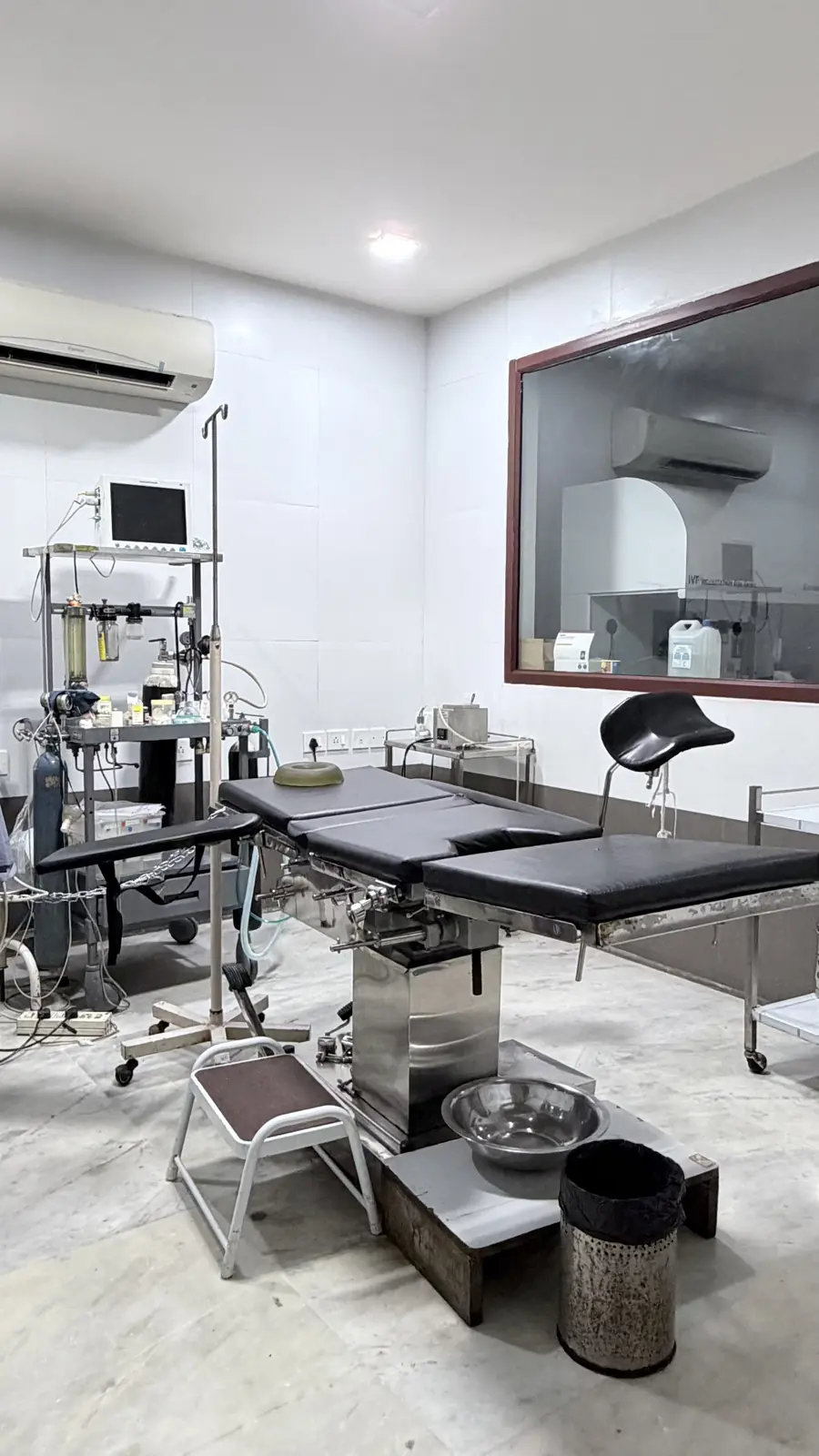
Operation theatre at Sehgal IVF Centre, Delhi
  1. Qualified fertility specialistsTreatment planned after an appropriate fertility assessment.
  2. Appropriate donor screeningEligibility and screening follow applicable medical and regulatory requirements.
  3. Experienced embryology teamSpecialised fertilisation, embryo culture and cryopreservation procedures.
  4. Safe handling of gametesProper identification, storage, handling and documentation of donated sperm and eggs.
  5. Individualised treatment planningThe same protocol may not suit every patient.
  6. Counselling supportHelp understanding the short- and long-term considerations.
  7. Clear communicationUnderstandable information on treatment, donor information, costs, consent and legal requirements.
Before you start

What should you ask before starting donor treatment?

Asking these questions can help you make an informed decision.

  1. Why is donor treatment being recommended?
  2. Are there alternatives to donor treatment?
  3. Would donor sperm, donor eggs or donor embryos be appropriate?
  4. How are donors screened?
  5. What medical information is available about the donor?
  6. What genetic screening is performed?
  7. What infectious-disease screening is performed?
  8. What donor information can recipients access?
  9. What information may be available to a donor-conceived child?
  10. What are the treatment costs?
  11. What additional costs may apply?
  12. How many treatment cycles may be considered?
  13. What are the potential medical risks?
  14. What counselling is available?
  15. What consent forms are required?
  16. What happens to unused gametes or embryos?
  17. What happens if regulations change?
FAQs

Frequently asked questions about donor programs

Still have questions? Call us on +91 7827219633.

What is a donor program?

A donor program is a fertility treatment program in which donated sperm, eggs or embryos may be used to help an individual or couple have a child.

Who may need donor eggs?

Donor eggs may be considered when a woman cannot use her own eggs or when using her own eggs may not be medically appropriate, including certain situations involving reduced ovarian function or significant inherited-disease risk.

Who may need donor sperm?

Donor sperm may be considered when usable sperm is unavailable, when there is severe male-factor infertility, or in other circumstances where donor sperm is medically appropriate.

Can donor sperm be used for IUI?

Yes, donor sperm may be used with IUI when medically and legally appropriate.

Can donor eggs be used with IVF?

Yes. Donor eggs are generally used as part of an IVF treatment process. The donated eggs are fertilised in the laboratory and an appropriate embryo may then be transferred to the recipient's uterus.

Are donors medically screened?

Donor programs include screening and eligibility procedures intended to reduce infectious and genetic risks. The exact screening requirements depend on the applicable regulations and program.

Does donor treatment guarantee pregnancy?

No. Donor treatment can help overcome certain fertility problems, but it cannot guarantee pregnancy or a live birth.

Can I choose a donor?

Donor selection and the information available to recipients are subject to applicable law, regulations, donor consent and the policies of the ART clinic or ART bank. Your fertility team can explain the options available to you.

Is donor treatment confidential?

Donor treatment involves sensitive personal and medical information. How donor information is stored, accessed and disclosed depends on the applicable legal and regulatory framework and consent arrangements.

Can donor treatment be combined with IVF and ICSI?

Yes. Donor eggs or sperm can be used as part of IVF, and ICSI may be considered depending on the sperm characteristics and treatment plan.

Is counselling recommended before donor treatment?

Counselling can help patients understand the emotional, family and long-term considerations associated with donor conception. Professional donor-treatment guidance recommends appropriate psychosocial counselling.

What happens if donor treatment does not work?

Your fertility specialist can review the treatment cycle and discuss whether another treatment cycle, additional investigation or a different treatment approach may be appropriate.


Start your donor treatment journey

Start your donor treatment journey with the right information

Choosing donor treatment is an important personal decision. For some patients, donated eggs or sperm can provide an opportunity to pursue pregnancy when using their own gametes may not be suitable or possible. It also involves more than the medical procedure: you should understand the medical, genetic, emotional, consent and legal considerations before treatment.

At Sehgal IVF Centre, you can discuss your fertility history and treatment options with a qualified fertility specialist and understand whether donor treatment may be appropriate for you.

Medical disclaimer: This page is intended for general educational information. It does not replace an individual consultation, diagnosis or treatment plan from a qualified fertility specialist. Donor treatment should be undertaken only through an appropriately registered and regulated ART facility and in accordance with applicable Indian law and current clinical guidance.

Medically reviewed

Dr. Ruchi Malhotra, MBBS, MS (Obstetrics & Gynaecology)

Gynaecologist & fertility specialist at Sehgal IVF Centre · Reg. No. 6111 · Last reviewed October 2026
Call now Book consultation