Skip to content
+91 7827219633 All days: 10:00 AM – 6:00 PM info@sehgalivfcentre.com
A simple guide for patients

IVF Process Step by Step

In Vitro Fertilisation (IVF) is an assisted reproductive treatment in which eggs are collected from the ovaries and fertilised with sperm in a laboratory. The resulting embryo is then transferred into the uterus.

Knowing what happens at each stage can make the journey easier to understand and help you prepare for appointments, medicines and procedures.

Tap a step to jump to it. Your timeline may be shorter or longer depending on your protocol.

At Sehgal IVF Centre, your plan may vary with your age, fertility diagnosis, ovarian reserve, sperm quality, previous treatment and response to medicines. Not every patient follows exactly the same sequence; your specialist will decide which protocol and procedures suit you.

The IVF journey

Your IVF cycle, one step at a time

01
Prepare

Fertility consultation & evaluation

The IVF process begins with a detailed consultation. Your fertility specialist will discuss your:

  • Age
  • Menstrual history
  • Previous pregnancies
  • Duration of infertility
  • Previous fertility treatments
  • Medical history
  • Surgical history
  • Previous IVF or IUI results
  • Family history, where relevant

Both partners may be evaluated, as infertility can involve female, male or combined factors. Depending on your situation, tests may include:

  • Ultrasound
  • AMH or ovarian-reserve assessment
  • Hormonal tests
  • Semen analysis
  • Tubal assessment
  • Blood tests
  • Other investigations

Why: to understand the possible cause of infertility and choose an appropriate treatment plan.

02
Prepare

IVF treatment planning

After reviewing your reports, your specialist explains the recommended IVF approach. Your plan may depend on:

  • Your age
  • Ovarian reserve
  • Previous treatment response
  • Sperm quality
  • Cause of infertility
  • Uterine health
  • Previous IVF history

Your doctor may also discuss whether ICSI, embryo freezing or genetic testing are appropriate. Not every patient needs every IVF procedure; the aim is a plan based on your individual needs, not the same protocol for everyone.

03
Stimulate

Ovarian stimulation

In a natural cycle, usually one dominant follicle develops. During IVF, fertility medicines stimulate the ovaries so multiple follicles can develop. They're usually given as injections for a period set by your protocol, and response varies between patients.

Your fertility team will explain:

  • Which medicines you need
  • How and when to take them
  • Possible side effects
  • When to return for monitoring
  • What symptoms to report

Important: do not change the dose or timing of fertility medicines without speaking to your fertility team.

04
Stimulate

Monitoring follicle development

During stimulation, your ovaries are monitored with ultrasound scans and, when appropriate, blood tests to assess:

  • Follicle growth
  • Number of developing follicles
  • Endometrial lining
  • Response to medication
  • Timing of egg retrieval

Your doctor may adjust medication based on your response. Close monitoring matters because treatment needs to be tailored to you.

05
Stimulate

Trigger injection

When the follicles reach the right stage, your doctor will advise a trigger injection, which helps the eggs complete their final maturation before retrieval. Timing is very important. Your team will tell you exactly:

  • Which injection to take
  • The dose
  • The exact time to take it
  • When to arrive for egg retrieval

Tip: set an alarm and follow the clinic's instructions carefully.

06
Collect

Egg retrieval

Egg retrieval (oocyte retrieval) collects mature eggs from the ovaries, generally with ultrasound guidance and appropriate pain relief or sedation. A fine needle is guided through the vagina to the follicles and the fluid is collected; the embryology team then identifies the eggs.

The procedure itself is relatively short, though your total time at the clinic may be longer for preparation and recovery. Afterwards, some patients experience:

  • Mild abdominal discomfort
  • Bloating
  • Pelvic soreness
  • Light vaginal bleeding
  • Tiredness

Your clinic will provide specific post-procedure instructions.

07
Collect

Sperm collection & preparation

On the day of egg retrieval, a sperm sample is generally collected from the male partner. The lab prepares it and selects sperm suitable for fertilisation. If frozen or donor sperm is used, the appropriate lab protocol is followed.

With significant male-factor infertility, your doctor may recommend ICSI, where a single sperm is injected directly into an egg, instead of conventional IVF fertilisation.

08
Lab

Fertilisation in the laboratory

After retrieval, eggs go to the embryology laboratory. Depending on your plan, fertilisation may be through:

Conventional IVFEggs and prepared sperm are placed together to allow fertilisation.
ICSIAn embryologist injects a single sperm directly into an egg.

ICSI may be considered with certain sperm-related concerns or previous fertilisation problems; it isn't automatically required. The team then checks eggs for signs of fertilisation.

09
Lab

Embryo development & monitoring

After fertilisation, embryos are cultured in the laboratory and monitored over the following days. They may be assessed for:

  • Development
  • Cell division
  • Morphology
  • Overall lab progression

Depending on the plan, transfer may take place after a few days, and some suitable embryos may be frozen for possible future use.

10
Transfer

Embryo transfer

A selected embryo is placed into the uterus using a thin, flexible catheter passed through the cervix. In most cases no general anaesthesia is needed, and the procedure is usually brief. Your doctor will discuss:

  • Which embryo is recommended
  • Fresh or frozen transfer
  • Whether more embryos should be frozen
  • Medicines after transfer

Good to know: transferring more than one embryo can increase the risk of multiple pregnancy, so the number is carefully considered.

11
After

Medicines after embryo transfer

Your doctor may prescribe medicines to support the uterine lining and early pregnancy, such as progesterone or others depending on your protocol. Take them exactly as prescribed.

Do not stop fertility or pregnancy-support medicines without consulting your fertility team, even if you have mild symptoms or bleeding.

12
After

Pregnancy test

You'll be given a date for your pregnancy test. Take it on the date recommended: testing too early can give an unclear or misleading result, because pregnancy hormone levels may still be developing.

If the test is positive, your team may arrange an early ultrasound to confirm the pregnancy and assess its development.

After your pregnancy test

What happens next?

If the test is positive

An important milestone, but further medical follow-up is still needed. Your doctor may recommend an early pregnancy scan to:

  • Confirm the pregnancy location
  • Assess early pregnancy development
  • Check for a heartbeat at the appropriate stage
  • Plan further pregnancy care

Once your pregnancy is progressing appropriately, your team will advise on the next steps in antenatal care.

If the test is negative

A negative result can be emotionally difficult, and it does not necessarily mean future treatment cannot work. Your specialist may review:

  • Ovarian response
  • Eggs retrieved
  • Fertilisation results
  • Embryo development
  • Endometrial factors
  • Previous treatment history
  • Other medical factors

Based on this, your doctor may discuss another treatment approach or another IVF cycle.

How long does IVF take?

Approximately 3 to 6 weeks

A simplified timeline. The exact duration varies with the protocol and your circumstances.

IVF stage
BeforeWeek 1Week 2Week 3Week 4+
Fertility assessment
Before starting the cycle
Ovarian stimulation
Usually around 1–2 weeks
Follicle monitoring
During stimulation
Trigger injection
When follicles are ready
Egg retrieval
Usually about 34–36 hours after trigger, per clinic protocol
Fertilisation
Around the time of egg retrieval
Embryo culture
Usually several days
Embryo transfer
Fresh, or in a later frozen cycle
Pregnancy test
On the date advised by the clinic
Early pregnancy scan
If pregnancy is confirmed

Your actual timeline may be different. Some IVF protocols don't use the same initial hormone-suppression stage, and some patients have a frozen embryo transfer in a later cycle.

Not every cycle includes a fresh transfer

Fresh vs frozen embryo transfer

Same cycle

Fresh embryo transfer

An embryo is transferred during the same treatment cycle in which the eggs were collected.

or
Later cycle

Frozen embryo transfer

An embryo that was previously frozen is transferred during a later cycle.

Your specialist will decide which approach suits your medical circumstances and treatment response.

Comfort

Is IVF painful?

People experience IVF differently. Injections and egg retrieval can cause temporary discomfort. You may experience:

  • Injection-site discomfort
  • Abdominal bloating
  • Pelvic discomfort
  • Mild cramping
  • Tiredness
  • Emotional stress

Egg retrieval is performed with appropriate pain relief or sedation. Speak with your team if you have significant pain or concerning symptoms.

Consultation room at Sehgal IVF Centre, Delhi
Safety

Possible risks of IVF

IVF is commonly used, but like any treatment it has potential risks. An important complication of stimulation is ovarian hyperstimulation syndrome (OHSS), when the ovaries respond excessively to fertility medicines.

  • Ovarian hyperstimulation syndrome
  • Multiple pregnancy
  • Ectopic pregnancy
  • Bleeding or infection with procedures
  • Emotional stress

Contact your clinic promptly if you have

  • Significant abdominal pain or swelling
  • Severe nausea or vomiting
  • Fainting or marked weakness
  • Difficulty breathing
  • Heavy bleeding
  • Other symptoms that concern you

Severe symptoms after IVF require urgent medical assessment.

Realistic expectations

Does IVF guarantee pregnancy?

No. IVF does not guarantee pregnancy or live birth. The outcome can depend on several factors, including:

  • Age
  • Cause of infertility
  • Ovarian reserve
  • Egg quality
  • Sperm quality
  • Embryo development
  • Uterine factors
  • Previous fertility treatment
  • Individual medical circumstances
Your fertility specialist can explain the factors that may affect your individual treatment outcome.See IVF cost
At Sehgal IVF Centre

Your IVF journey with us

Your journey begins with an individual fertility assessment and a discussion of your options. The exact process may differ with your diagnosis, protocol and response.

  1. ConsultationUnderstanding your history and needs
  2. Fertility testingThe investigations recommended for you
  3. Treatment planningSelecting an appropriate protocol
  4. Ovarian stimulationMedicines to stimulate egg development
  5. MonitoringTracking follicle growth
  6. Egg retrievalCollecting eggs from the ovaries
  7. FertilisationIVF, or ICSI when appropriate
  8. Embryo developmentMonitored in the laboratory
  9. Embryo transferAn appropriate embryo into the uterus
  10. Pregnancy testOn the date advised
  11. Early pregnancy careAn early scan when confirmed
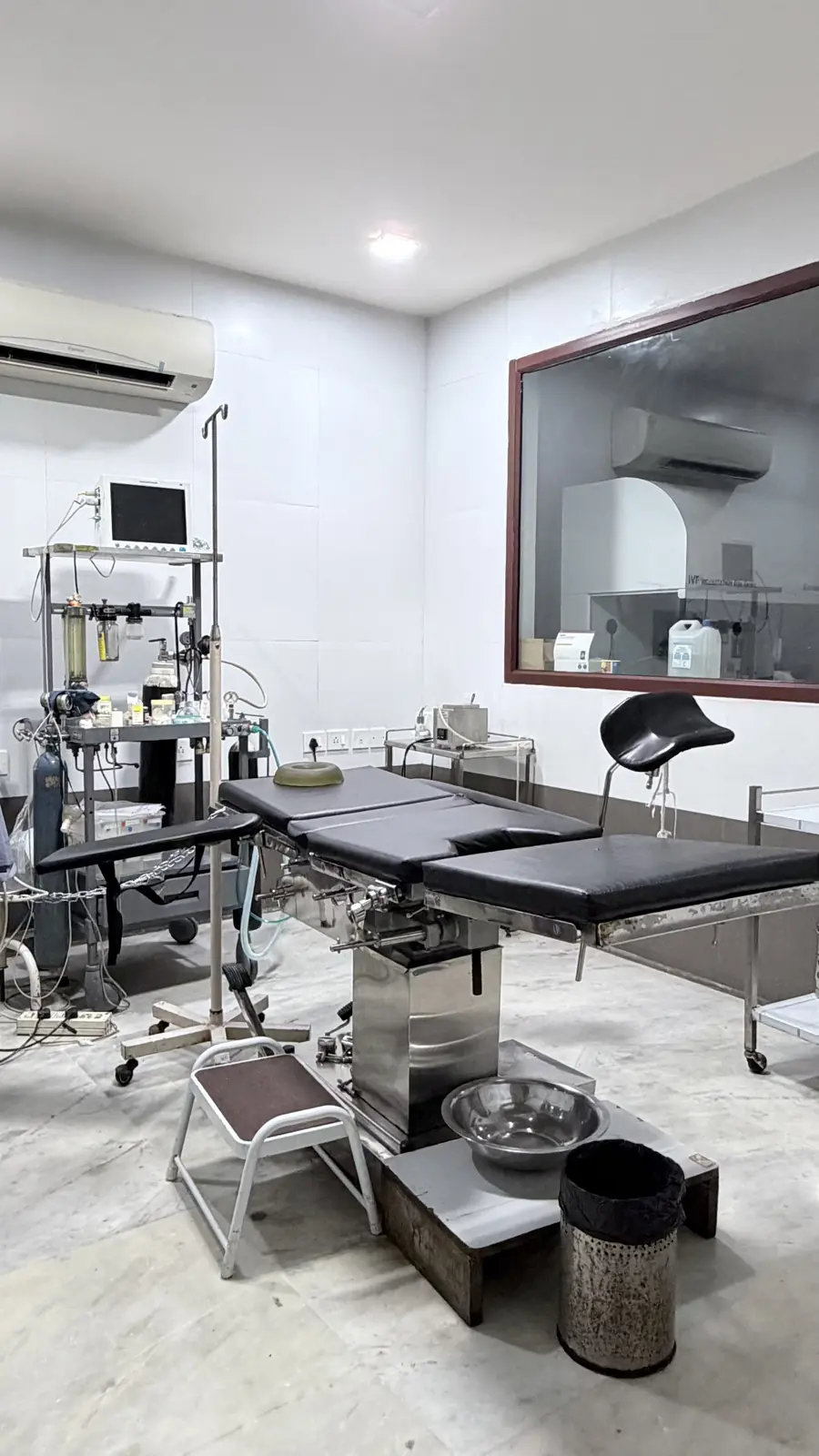
Operation theatre at Sehgal IVF Centre, Delhi
Where the science happensOur embryology lab handles fertilisation, embryo culture and freezing.
FAQs

Frequently asked questions about the IVF process

Still have questions? Call us on +91 7827219633.

How many days does the IVF process take?

A complete IVF cycle commonly takes around 3 to 6 weeks, although the exact duration varies according to the treatment protocol and individual circumstances.

Is egg retrieval painful?

Egg retrieval is performed using appropriate pain relief or sedation. Some women may experience mild cramping, bloating or pelvic discomfort afterward.

How many eggs are collected during IVF?

The number of eggs collected varies from patient to patient. It depends on factors such as age, ovarian reserve and response to stimulation. There is no single target number that applies to everyone.

Is ICSI required for every IVF cycle?

No. ICSI is a specialised fertilisation technique that may be recommended in selected cases, particularly where there are certain male-factor infertility concerns or previous fertilisation problems.

When is the embryo transferred?

Depending on the treatment plan, an embryo may be transferred a few days after fertilisation or during a later frozen embryo transfer cycle.

Can embryos be frozen?

Yes. Suitable embryos that are not transferred immediately may be cryopreserved for possible future use, depending on the clinical situation and laboratory assessment.

When can I take a pregnancy test after IVF?

Your fertility clinic will give you a specific testing date. Follow that date rather than testing too early, because early testing can be misleading.

Can I continue my normal activities after embryo transfer?

Your fertility team will provide individual instructions. In general, follow the clinic's advice regarding medicines, activity and follow-up rather than making major changes based on information from the internet.

What happens if my IVF cycle does not work?

Your doctor may review the cycle results and discuss whether another IVF cycle or a different treatment approach is appropriate. The decision depends on your individual circumstances.

Start your IVF journey with Sehgal IVF Centre

IVF is a step-by-step treatment, and understanding it helps you feel prepared

If you are considering IVF, speak with a qualified fertility specialist about your medical history, treatment options, expected timeline and potential risks. Sehgal IVF Centre: personalised fertility care based on your individual needs.

Medically reviewed

Dr. Ruchi Malhotra, MBBS, MS (Obstetrics & Gynaecology)
Medical registration no. 6111

Last reviewed: October 2026 · Last updated: October 2026

Medical disclaimer: This page is intended for general educational information about the IVF process. IVF treatment protocols can differ between patients and may be modified according to medical history, fertility diagnosis and treatment response. The information on this page does not replace consultation with a qualified fertility specialist. Do not start, stop or change fertility medicines without medical advice.

Call now Book consultation