
Irregular periods
Periods may be less frequent, unpredictable or stop for a time. This can signal irregular ovulation, but can also have other causes, so proper evaluation is important.
Polycystic Ovary Syndrome (PCOS) is a common hormonal and metabolic condition that can affect periods, ovulation, skin, hair growth, weight and fertility. Many women with PCOS have irregular or absent periods because they do not ovulate regularly.
In India, the terms PCOS and PCOD are often used interchangeably for hormonal problems affecting the ovaries. Medically, PCOS has specific diagnostic criteria and should be diagnosed by a qualified healthcare professional, not by symptoms or an ultrasound scan alone.
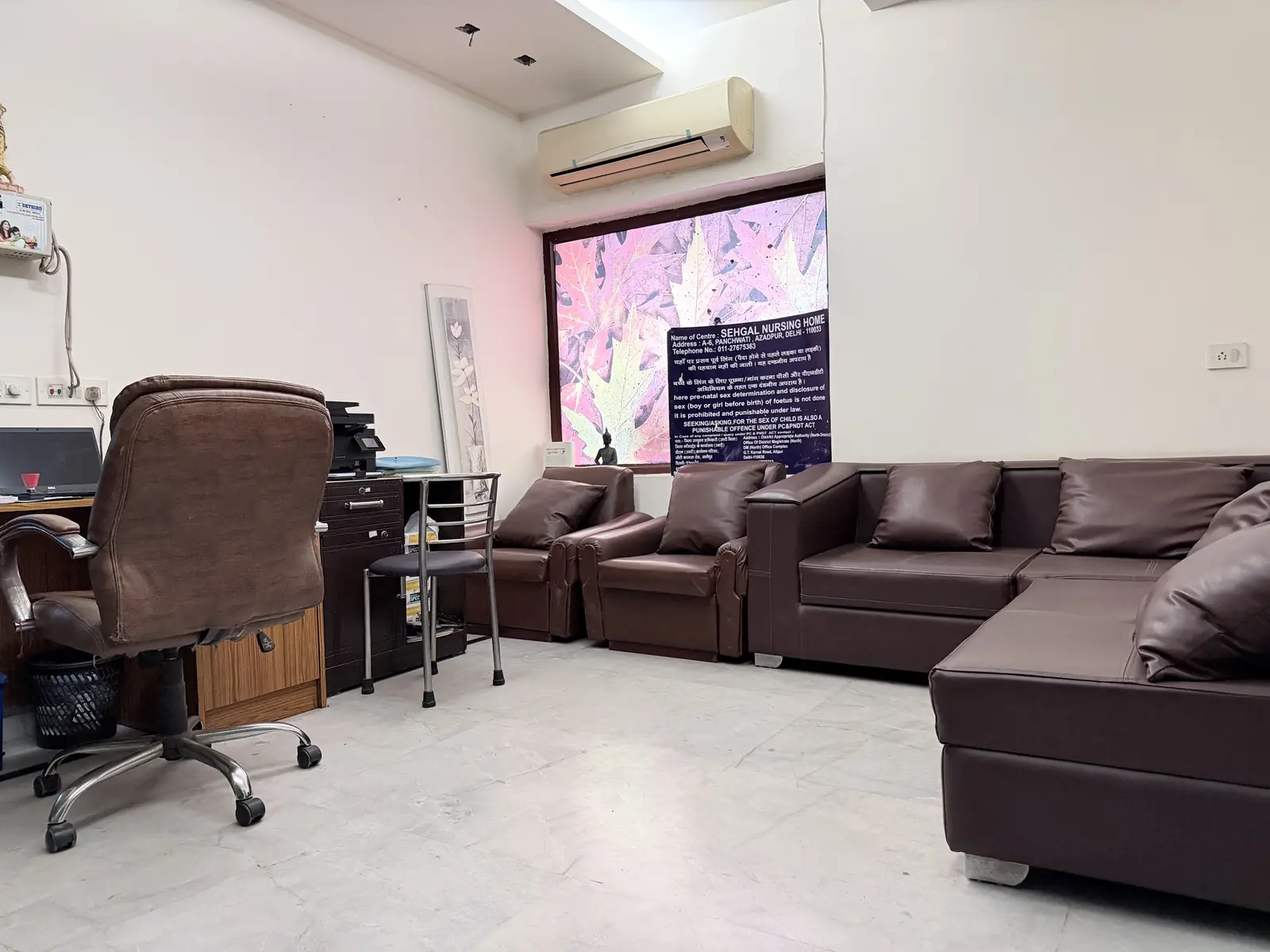
At Sehgal IVF Centre, women with PCOS/PCOD receive an individualised evaluation of their symptoms, menstrual pattern, ovulation, fertility goals and other health factors.
International guidance: treatment should be individualised and address overall health.
In PCOS, ovulation and reproductive hormones may not function normally. Women with PCOS may have:
Not every woman with PCOS has all of these symptoms. PCOS can also occur in women who are not overweight: body weight alone does not diagnose or rule out PCOS.

One of the major ways PCOS affects fertility is through irregular ovulation. Ovulation may happen less often or not regularly, making the fertile period harder to predict and possibly reducing the chance of conception in a given cycle.
However, having PCOS does not mean pregnancy is impossible. International PCOS guidance states that pregnancy can often be achieved naturally or with fertility assistance. If pregnancy is desired, treatment depends on:
A fertility specialist can decide whether to begin with lifestyle measures, ovulation induction, IUI or another treatment.
PCOS can affect different women in different ways.
Periods may be less frequent, unpredictable or stop for a time. This can signal irregular ovulation, but can also have other causes, so proper evaluation is important.
When ovulation is irregular, conception may take longer. PCOS is an important cause of ovulatory infertility.
Higher androgen activity can cause unwanted hair growth, particularly on the face, chin, chest or abdomen.
Hormonal changes associated with PCOS may contribute to persistent acne or oily skin.
Some women experience thinning of scalp hair or increased hair loss.
Some women gain weight or find weight management difficult, but PCOS affects women across different body sizes.
Some women develop darker, thicker skin around the neck, underarms or other skin folds, which can be associated with insulin resistance.
The American College of Obstetricians and Gynecologists lists irregular periods, infertility, excess hair growth, acne and other hormonal/metabolic features among the commonly recognised manifestations of PCOS.
There is no single cause of PCOS. Researchers believe several factors may contribute, and a family history of PCOS or related metabolic conditions may also be relevant.
PCOS is not simply caused by eating a particular food or by being overweight. It is complex and can occur in women with different body types.
There is no single test that can diagnose PCOS in every woman. A doctor usually considers a combination of:
The 2023 international guideline recommends a structured diagnostic approach and recognises irregular cycles and evidence of excess androgen activity as important parts of assessment. In adults, AMH may be used as an alternative to ultrasound for assessing polycystic ovarian morphology in appropriate circumstances, but not as a stand-alone test for diagnosing PCOS.
Many women are told they have "polycystic ovaries" after an ultrasound. However, multiple follicles on an ultrasound are not, by themselves, enough to diagnose PCOS. A fertility specialist considers the complete clinical picture before making a diagnosis.
Irregular periods, acne, unwanted hair or difficulty conceiving can have different causes. A consultation can confirm whether PCOS is present, whether ovulation is affected and whether other factors need attention.

If you have irregular periods, difficulty conceiving or other PCOS symptoms, your evaluation may include:
Depending on your symptoms, blood tests to evaluate reproductive and other hormones.
PCOS can be associated with metabolic problems, so glucose and other metabolic risk factors may be assessed.
A pelvic or transvaginal ultrasound to assess the ovaries and uterus when clinically appropriate.
If pregnancy is the goal, assessment may include:
Infertility may have more than one contributing factor.
There is no single treatment that works for every woman with PCOS. It depends on your symptoms, age, reproductive plans and overall health. Choose your goal to see the options that may apply.
Regular physical activity, a balanced eating pattern, adequate sleep, stress management, avoiding smoking and a healthy weight where appropriate. This should be individualised and never based on shame or unrealistic weight-loss goals; guidelines emphasise quality of life and avoiding weight stigma.
Commonly used for type 2 diabetes and may be used in some women with PCOS, particularly when metabolic features are present. It is not a universal PCOS medicine; the 2023 guideline emphasises individualised decisions.
For women trying to conceive who have difficulty ovulating, medicines may help stimulate ovulation. The international PCOS guideline recommends letrozole as first-line pharmacological ovulation induction for PCOS-related anovulatory infertility when there are no other infertility factors. Medicine, dose and monitoring are decided by a fertility specialist.
May be considered after ovulation induction. Prepared sperm is placed in the uterus around ovulation. Suitability depends on age, sperm quality, tubal status, duration of infertility, previous treatment and response to ovulation induction. About IUI
Considered when other treatments haven't worked or other fertility factors require it. PCOS can increase the risk of ovarian hyperstimulation syndrome (OHSS), so careful planning based on ovarian response, age and history is essential. About IVF
Regular physical activity, a balanced eating pattern, adequate sleep, stress management, avoiding smoking and a healthy weight where appropriate, individualised and free of weight stigma.
For women not currently trying to conceive, doctors may consider hormonal medicines to help manage irregular periods and symptoms such as acne or excess hair growth. The choice depends on your health, symptoms and pregnancy plans.
May be used in some women, particularly when metabolic features are present. Not appropriate for everyone and only under medical guidance.
A typical pathway may include the steps below. It is not necessarily the same for every woman with PCOS.
Your periods, medical history and fertility goals are reviewed.
Ovulation, ovarian reserve when indicated, uterus, tubes and sperm factors.
Lifestyle and metabolic factors are addressed where appropriate.
If irregular ovulation is the main problem, medication to help achieve ovulation.
Selected patients may proceed with IUI.
When other treatment is unsuccessful or another factor makes IVF appropriate.
Many women with PCOS become pregnant naturally, while others may need medical assistance. PCOS mainly affects fertility when ovulation is irregular or absent; it does not automatically mean a woman cannot conceive.
If pregnancy is not occurring with regular unprotected intercourse, an evaluation can show whether PCOS or another factor is involved. Don't assume PCOS is the only cause: male-factor infertility, tubal problems, endometriosis, age-related changes and other conditions can occur alongside PCOS.
Tap a card to reveal the fact.
Women with PCOS can become pregnant, but PCOS may be associated with an increased risk of certain pregnancy complications. International guidance recommends appropriate preconception counselling and management of chronic conditions.
Once pregnancy occurs, routine antenatal care and any additional monitoring recommended by your obstetrician are important.
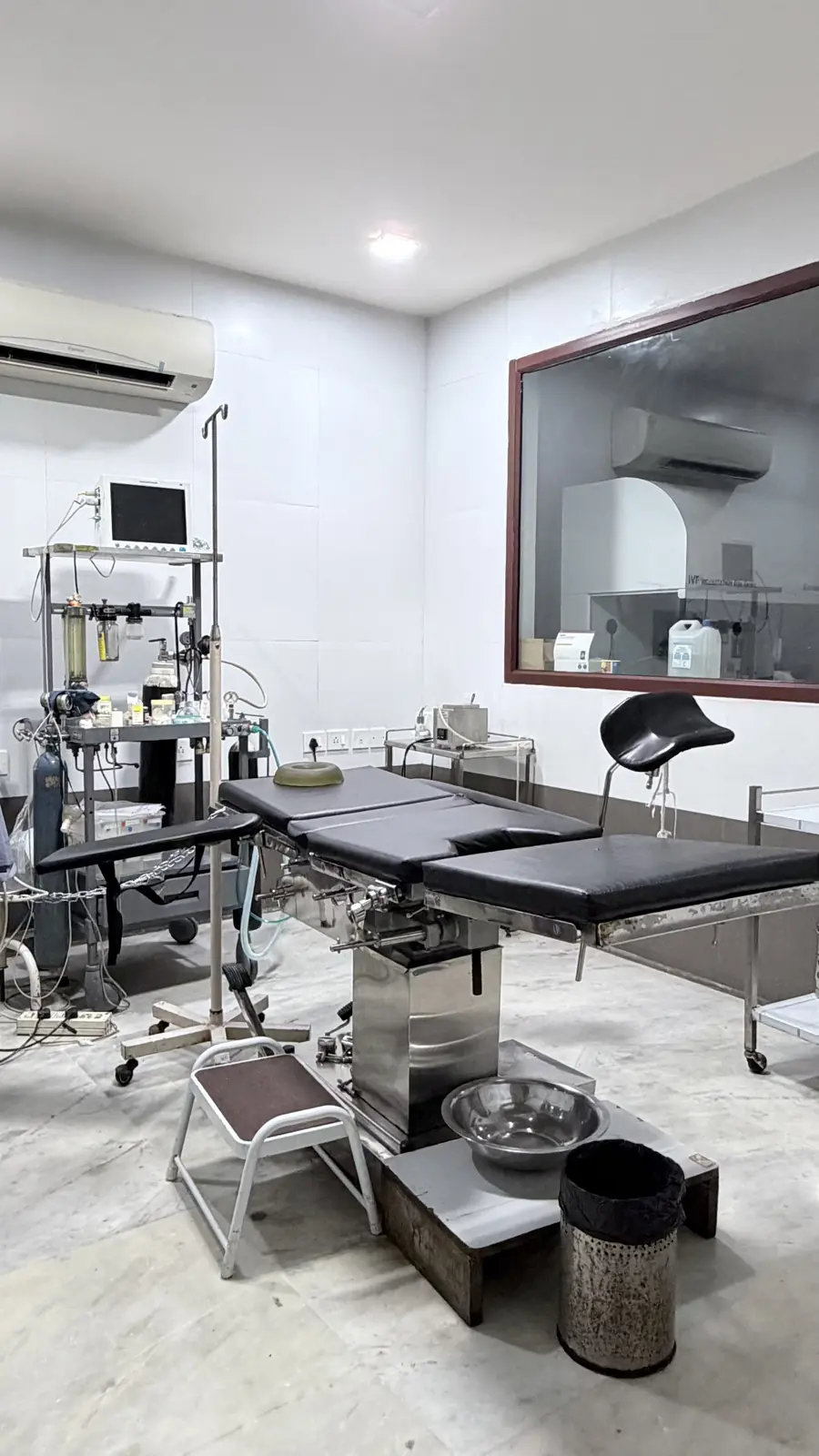
PCOS-related fertility care is planned around you, not the same treatment for every patient. Our approach may include:
The goal is to identify the factors affecting fertility and choose the right pathway for you.
Consider speaking with a gynaecologist or fertility specialist if you have:
You do not need to wait until fertility problems become severe before seeking medical advice.
The terms PCOS and PCOD are commonly used by patients to describe similar hormonal and reproductive problems, particularly in India. However, PCOS is the established clinical term historically used in medical guidelines, and diagnosis requires appropriate clinical assessment. International terminology is also evolving: some resources have begun using Polyendocrine Metabolic Ovarian Syndrome (PMOS) for the condition previously called PCOS.
Yes. PCOS can cause irregular or absent ovulation, which can make pregnancy more difficult. However, many women with PCOS can become pregnant naturally or with fertility treatment.
PCOS is generally considered a long-term condition rather than something that has a single permanent cure. However, symptoms and associated health risks can often be managed with appropriate lifestyle measures, medicines and fertility treatment when required.
Yes. PCOS does not mean that pregnancy is impossible. Treatment may not be required for everyone, while some women may need ovulation induction, IUI or IVF depending on their circumstances.
No. IVF is not automatically required just because a woman has PCOS. When infertility is caused primarily by anovulation and there are no other infertility factors, ovulation induction may be considered before more advanced fertility treatment. IVF may be considered when other treatments have failed or when there are additional indications for IVF.
No. The name can be confusing. PCOS is not diagnosed simply because an ultrasound shows multiple follicles. The diagnosis is based on the overall clinical assessment.
Yes. Irregular menstrual cycles are one of the common features of PCOS and may occur because ovulation is irregular.
Weight management may improve some PCOS symptoms and metabolic health in women who are overweight, but PCOS is more complex than body weight alone. A healthy lifestyle can be beneficial regardless of body size.
Metformin may be prescribed to some women, particularly when metabolic features are present. It is not appropriate for everyone and should be taken only under medical guidance.
When infertility is caused by anovulation from PCOS and there are no other infertility factors, letrozole is recommended as the first-line pharmacological ovulation-induction treatment in the international guideline.
PCOS can be associated with an increased risk of some pregnancy complications. Appropriate preconception assessment and antenatal care can help doctors identify and manage individual risk factors.
No. PCOS is a condition involving the ovaries and female reproductive/endocrine system. Men can have other hormonal or metabolic conditions, but PCOS itself does not occur in men.
A proper consultation can determine whether PCOS is present, whether ovulation is affected and whether other fertility factors need evaluation. If you have PCOS/PCOD and are planning pregnancy, speak with a fertility specialist to create a treatment plan suited to your needs.
Medical disclaimer: This page is intended for general educational purposes only and should not be considered a substitute for medical consultation, diagnosis or treatment. PCOS/PCOD can present differently in different women, and treatment should be individualised after appropriate medical evaluation. If you have irregular periods, fertility problems or other symptoms, consult a qualified gynaecologist or fertility specialist.