
Ovulation assessment
Ovulation is the release of an egg from the ovary. If it doesn't occur regularly, pregnancy may be more difficult. Your doctor may use:
Female infertility refers to difficulty achieving a pregnancy because of factors affecting the female reproductive system. These may involve ovulation, the ovaries, fallopian tubes, uterus, cervix or other aspects of reproductive health.

Infertility can involve male factors, both partners, or no identified cause, so evaluating both partners is often most useful.
We consider your age, menstrual, medical and reproductive history, test results and personal goals.
Depending on the cause: lifestyle changes, ovulation medicines, surgery, IUI, IVF or other assisted treatments.
For pregnancy to occur, several processes generally need to work together. A problem affecting any of these stages can make conception more difficult.
Female fertility also changes with age. Egg number and egg quality generally decline over time, and age is an important factor when assessing fertility.
Female infertility can have many possible causes, and sometimes more than one factor is involved. In some cases, investigations do not identify a clear cause, commonly called unexplained infertility.

Ovulation problems are among the common causes of female infertility. Ovulation may be affected by:
Treatment depends on the underlying cause.
Polycystic ovary syndrome (PCOS) is a common hormonal condition that can affect ovulation. Some women with PCOS ovulate irregularly or not regularly, which can make conception more difficult.
PCOS does not mean that pregnancy is impossible.
Depending on your situation, treatment may include lifestyle measures, ovulation-induction medicines, IUI or IVF, based on your ovulation, age and other fertility factors.
PCOS treatmentEndometriosis occurs when tissue similar to the lining of the uterus grows outside the uterus. It can be associated with:
It can affect fertility in different ways. Treatment may include medical management, surgery in selected cases, fertility treatment or a combination, depending on severity and your circumstances.
Blocked or damaged fallopian tubes can prevent sperm and egg from meeting. Tubal problems may be associated with:
Treatment depends on the location and severity. Some women may be considered for tubal surgery; others may be advised to consider IVF, because IVF bypasses the fallopian tubes.
Blocked tubes treatmentAs a woman gets older, the number and quality of eggs generally decline, and the chance of certain chromosome abnormalities increases.
This does not mean every woman will experience infertility at the same age. However, age should be considered when planning evaluation and treatment. ASRM identifies female age as an important predictor of reproductive potential and recommends more immediate evaluation in women over 40.
Low AMH / ovarian reserveInfertility does not always cause noticeable symptoms. A woman may have regular periods and still have difficulty conceiving.
If there is a known condition that may affect fertility, evaluation may be appropriate without waiting for a standard period of trying to conceive.
This checklist is for awareness only and is not a diagnosis. Nothing you tick is saved or sent.
General guidance, based on regular, unprotected intercourse without pregnancy.
Earlier assessment may be appropriate with irregular periods, suspected endometriosis, known tubal problems, previous pelvic surgery, reduced ovarian reserve or another condition associated with infertility. You do not necessarily need to wait if you already have concerns.
The first step is understanding why pregnancy may not be occurring. At Sehgal IVF Centre, a fertility specialist may review:
Your cycle can provide useful information about ovulation. Your doctor may ask:
Irregular or absent periods can sometimes indicate an ovulation problem.
There is no single test that can diagnose every cause. Depending on your history, your doctor may recommend several investigations. Not every woman needs every test.
Ovulation is the release of an egg from the ovary. If it doesn't occur regularly, pregnancy may be more difficult. Your doctor may use:
Ovarian reserve is the remaining supply of eggs. Tests may include an AMH blood test, antral follicle count by ultrasound and other hormone tests.
These tests help treatment planning, but cannot by themselves predict natural pregnancy or guarantee IVF success.
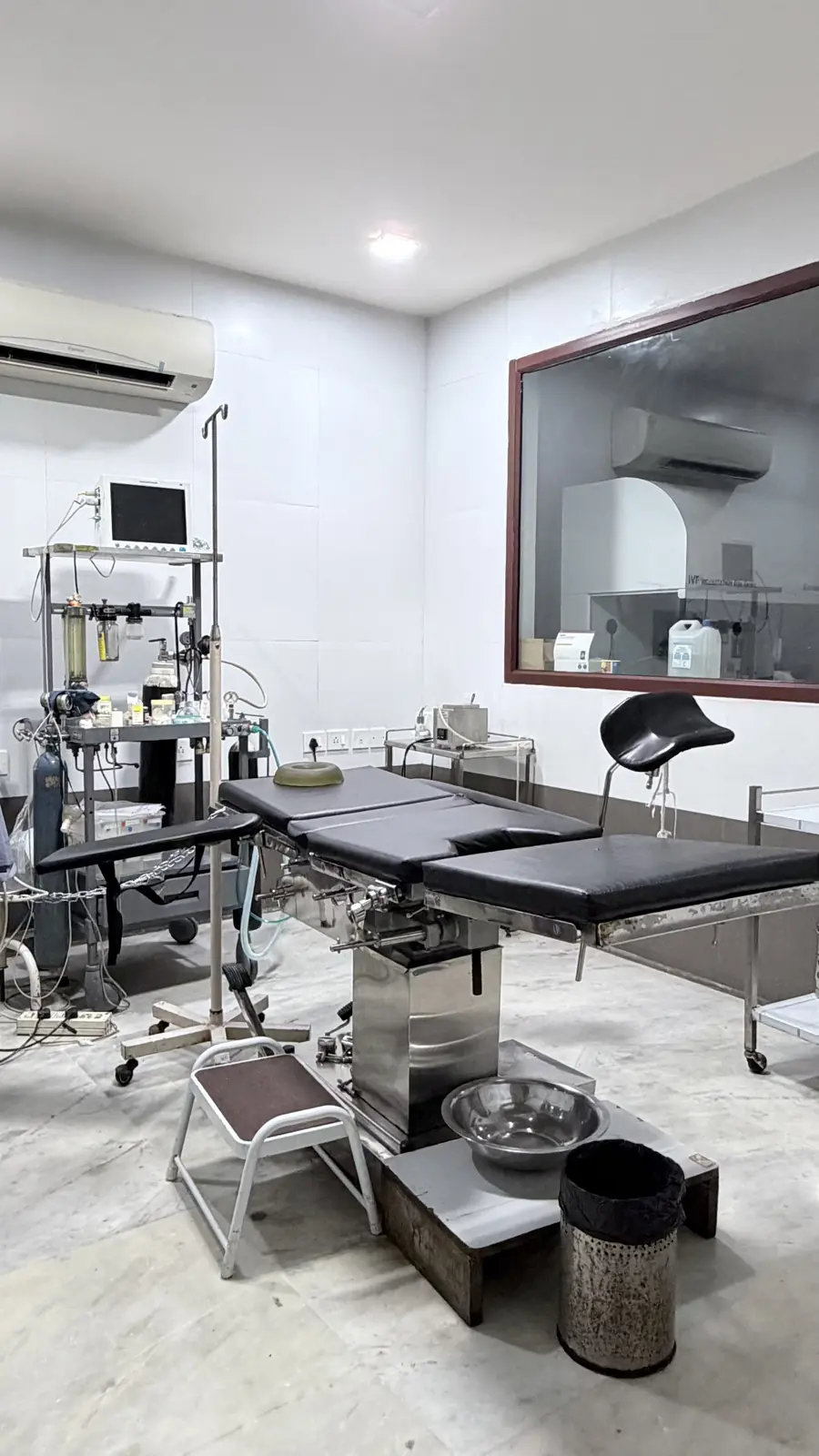
A pelvic or transvaginal ultrasound gives information about:
It can also monitor follicle development during treatment.
Tubes are the pathway where sperm and egg normally meet. Blocked or damaged tubes can interfere with natural conception. Tests may include:
The uterus is where an embryo implants and develops. Your doctor may assess for:

A proper evaluation can identify problems with ovulation, ovarian reserve, fallopian tubes, uterus or other factors, so your treatment is based on the real cause.
Treatment depends on the cause. Your fertility specialist may recommend one treatment or a combination, generally starting with the least invasive option that is appropriate for you.
Depending on your health: healthy weight, avoiding smoking, limiting alcohol, managing medical conditions, reviewing medicines, recommended prenatal supplements, balanced diet and regular activity. These cannot correct every cause but may support reproductive and pregnancy health.
If you are not ovulating regularly, medicines may help stimulate ovulation. The choice depends on the cause. Treatment should be medically supervised, as fertility medicines can have side effects and can sometimes increase the chance of multiple pregnancy.
Prepared sperm is placed directly into the uterus around ovulation. Considered depending on ovulation, tubal health, sperm factors, age and the cause and duration of infertility. Less invasive than IVF but does not guarantee pregnancy. About IUI
Eggs are collected and fertilised in a laboratory, and an embryo may be transferred to the uterus. May be considered for blocked or damaged tubes, when other treatments haven't worked, severe endometriosis, certain ovulation or ovarian factors, or other medical reasons. About IVF
A single sperm is injected into a mature egg. Considered for significant sperm-related problems or certain previous fertilisation problems; not automatically required for every woman having IVF. About ICSI
For some women, using their own eggs may not be appropriate because of ovarian function or egg quality. Donor egg IVF may be discussed in selected situations; it is a personal decision with medical, emotional and legal considerations. About the donor program
Surgery may sometimes treat specific conditions affecting fertility, depending on the diagnosis:
Surgery is not necessary for every patient; your doctor will discuss benefits, risks and alternatives.
Some women consider egg freezing to preserve reproductive options for the future, or before medical treatments that could affect ovarian function. The age at freezing and number of mature eggs stored can influence outcomes.
Egg freezing does not guarantee a future pregnancy or live birth.
About egg freezingSometimes tests don't identify a clear reason. This does not mean there is no chance of pregnancy. Treatment may include:
The approach depends on age, duration of infertility, previous treatment and other factors.
In many cases, fertility treatment can help address a specific cause or provide an alternative route to pregnancy. However, no fertility treatment guarantees pregnancy.
Your doctor can explain the factors relevant to your individual situation.
We focus on understanding the underlying cause before recommending treatment.
Your fertility history, menstrual cycles, previous pregnancies and medical history are reviewed.
Tests are selected according to your symptoms, age, history and clinical findings.
We consider ovulation, ovarian reserve, fallopian tubes, uterus and other relevant factors.
Medication, IUI, IVF, surgery, fertility preservation or donor treatment, depending on the diagnosis.
Your response is monitored through ultrasound, blood tests and other appropriate investigations.
Your specialist explains the next step based on your response to treatment.
Women with a known condition that may affect fertility do not necessarily need to wait before seeking evaluation.
It can help to keep information about:
If you have a partner, assessment of both partners may be appropriate, as infertility can involve male factors, female factors or both. Male infertility
Still have questions? Call us on +91 7827219633.
Female infertility refers to difficulty achieving a pregnancy because of factors affecting the female reproductive system or reproductive function. Infertility can also involve male factors or a combination of factors in both partners.
There is no single cause that applies to every woman. Common factors include ovulation problems, tubal problems, endometriosis, uterine conditions, reduced ovarian reserve and age-related changes. Sometimes no specific cause is identified.
Irregular or absent periods may indicate that ovulation is not occurring regularly. However, the underlying reason for irregular periods needs to be evaluated before determining the appropriate treatment.
Yes. PCOS can interfere with regular ovulation and may make conception more difficult. Many women with PCOS can become pregnant with appropriate medical care.
Yes. Blocked or damaged fallopian tubes can prevent sperm and egg from meeting. Depending on the situation, treatment may involve surgery or IVF.
Yes. Female fertility generally declines with age, and age is an important factor in fertility assessment and treatment planning.
The word “cure” does not apply to every fertility condition. Some causes can be treated directly, while others may require assisted reproductive treatment such as IUI or IVF.
No. IVF can help overcome certain fertility problems, but it does not guarantee pregnancy or a live birth.
Low ovarian reserve does not automatically mean pregnancy is impossible. However, it may affect the number of eggs available for treatment. Your age and complete fertility assessment are important when discussing treatment options.
In many situations, yes. Fertility problems can involve the male partner, female partner or both. A parallel assessment can help identify relevant factors and avoid unnecessary delays.
Generally, evaluation is recommended after 12 months of trying if the woman is under 35, after 6 months if she is 35 or older, and more promptly for women over 40 or anyone with a known fertility-related condition.
Stress can affect wellbeing and may sometimes influence reproductive behaviours or menstrual function, but infertility should not be attributed simply to stress. If you are having difficulty conceiving, an appropriate fertility evaluation is important.
Female infertility can have many possible causes. The first step is to understand what may be affecting your fertility. At Sehgal IVF Centre, you can discuss your fertility history and test results with a qualified fertility specialist and understand which treatment options may be appropriate for you.
Medical disclaimer: This page is intended for general educational information. It does not replace an individual consultation, diagnosis or treatment plan from a qualified fertility specialist. Fertility treatment should be recommended after an appropriate medical assessment.