
Low sperm count
OligospermiaLower-than-expected sperm concentration can reduce the chance of natural conception, though pregnancy may still be possible depending on the overall semen parameters and the female partner's fertility.
Infertility is not only a woman's health concern. Male factors contribute to infertility in a substantial proportion of couples, either alone or with female factors, which is why current guidelines recommend evaluating both partners.
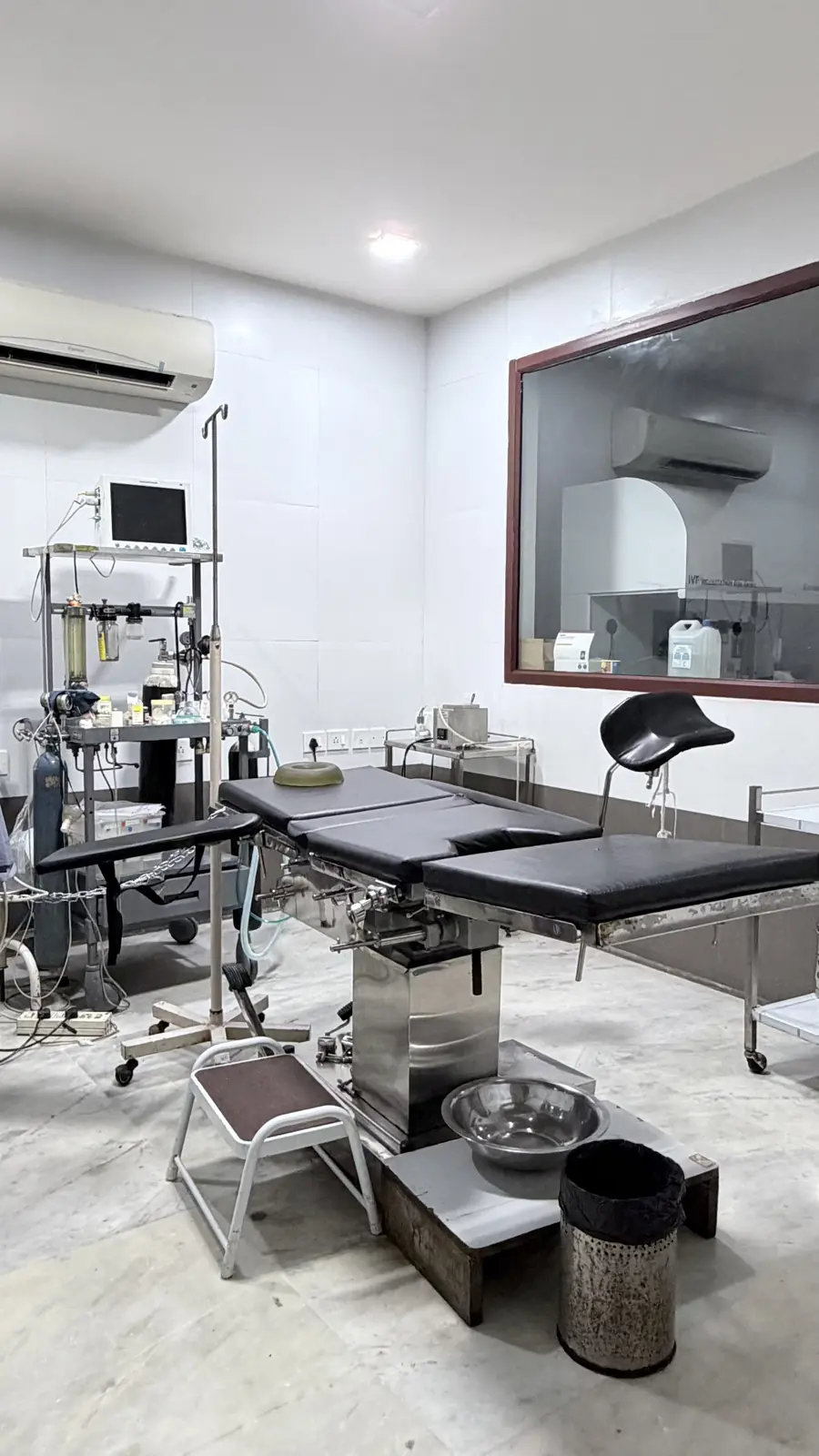
Male infertility refers to difficulty achieving pregnancy because of factors affecting sperm production, sperm quality, sperm transport, ejaculation, sexual function or other aspects of the male reproductive system. The WHO identifies problems with sperm production, number, movement, shape and ejaculation among important causes.
Male infertility does not necessarily mean a man is completely infertile. Many men with abnormal semen results can still become biological fathers, sometimes naturally and sometimes with medical assistance.
One abnormal semen parameter does not automatically diagnose infertility. The overall semen profile and clinical situation need to be considered.
Lower-than-expected sperm concentration can reduce the chance of natural conception, though pregnancy may still be possible depending on the overall semen parameters and the female partner's fertility.
If a large proportion of sperm move poorly, fewer may travel through the female reproductive tract and reach the egg.
Some sperm may have abnormalities in the head, middle section or tail.
No sperm detected after appropriate lab examination. It can occur because the testes aren't producing enough sperm, production is severely impaired, or sperm are produced but blocked from entering the semen. These need different evaluation and treatment.
Male infertility can have many causes. Sometimes a clear cause is identified; in other cases no single cause is found.
Enlarged veins around the testicle, which in some men may be associated with abnormal semen or reduced fertility. Not every varicocele needs treatment.
Certain infections can cause inflammation, scarring or blockage in the reproductive system.
Involving the testes, groin, pelvis or reproductive tract, which can affect sperm production or transport.
Hormones regulate sperm production. Problems involving FSH, LH, testosterone or prolactin may affect fertility in selected men. Treatment depends on the cause.
Can affect sperm production, testicular development, hormonal function or sperm transport. Genetic testing may be recommended for selected men with very low counts or azoospermia.
Can prevent semen from being deposited normally, for example retrograde ejaculation, ejaculatory duct obstruction, neurological conditions or medication-related problems.
Difficulty achieving or maintaining an erection can make regular intercourse difficult. ASRM recommends assessing sexual function as part of care when relevant.
Some factors may affect sperm production or reproductive health:
Lifestyle changes support general and reproductive health, but cannot correct every cause.
A detailed medical history helps the specialist determine which factors may be relevant.
Male infertility often has no obvious symptoms. The main sign may simply be:
Difficulty achieving pregnancy after regular unprotected intercourse
Some men may have symptoms linked to the underlying cause:
If these symptoms are present, medical evaluation is appropriate.
Earlier evaluation may be appropriate when there is a known risk factor. Consider an evaluation if:
The AUA/ASRM guideline recommends a reproductive history and one or more semen analyses as the initial evaluation, with further assessment when abnormalities are found.
One of the most important initial tests. The WHO laboratory manual provides standardised methods.
Illustrative only. One test may not tell the whole story: parameters vary between samples, so an abnormal result may be repeated and interpreted with the full clinical picture.
Not needed for every man. May include FSH, testosterone, LH and prolactin, particularly when sperm production is significantly reduced or symptoms suggest a hormonal disorder.
When a structural problem is suspected: scrotal ultrasound, Doppler ultrasound, or transrectal ultrasound in selected cases. Not automatically required.
For selected men with azoospermia, very severe oligospermia or suspected genetic conditions: karyotyping, Y-chromosome microdeletion testing, or CFTR-related testing when congenital absence of the vas deferens is suspected. Genetic counselling may follow.
Not a routine first-line test. May be considered with recurrent pregnancy loss, repeated unsuccessful assisted reproduction or certain unexplained problems, as discussed in AUA/ASRM guidance.
A low count or poor motility doesn't automatically mean biological parenthood is impossible. We'll explain your results, check what else needs testing and discuss the right options for you and your partner.

Men trying to have a baby should not start testosterone replacement therapy without discussing fertility with a doctor. External testosterone can suppress the hormonal signals needed for sperm production and may significantly reduce or stop sperm production in some men.
If you have low testosterone and are trying to conceive, a fertility specialist or reproductive urologist can discuss fertility-preserving approaches.
Treatment depends on the underlying cause. There is no single medicine or procedure that treats every type of male infertility.
WHO's 2025 infertility guideline includes healthy diet, activity and quitting tobacco. Helpful, but not a guaranteed cure.
Some causes, such as certain hormonal disorders affecting sperm production, can be treated medically. In selected men, medicines may stimulate the body's own reproductive hormone pathways. Treatment depends on the diagnosis.
If a clinically significant varicocele is associated with infertility and abnormal semen, surgical repair may be considered. Not every varicocele needs treatment; the decision depends on examination, semen parameters, fertility history and the female partner's factors.
Some men produce sperm normally but a blockage stops it entering the semen (obstructive azoospermia), for example after vasectomy, infection, congenital absence of the vas deferens or surgery. Options may include surgical reconstruction, sperm retrieval or IVF/ICSI.
For selected couples with mild male-factor infertility: a semen sample is collected, sperm are processed, and selected sperm are placed in the uterus around ovulation. May not be appropriate when count or motility is severely reduced. About IUI
Considered when male-factor infertility is more significant or other treatments haven't worked. Eggs are collected and fertilised in the lab, though conventional IVF may not suit all severe male infertility. About IVF
A single sperm is injected directly into an egg. May be considered for very low count, poor motility, significant sperm abnormalities, previous fertilisation failure, surgically retrieved sperm or certain severe conditions. ICSI doesn't correct the cause; it helps overcome sperm-related barriers to fertilisation. About ICSI
In selected circumstances, where appropriate and legally and clinically applicable. About the donor program
The distinction matters because treatment options differ.
Sperm production may be present, but sperm can't reach the ejaculate because of a blockage.
The testes have severely reduced or absent sperm production.
Some men with no sperm in the ejaculate may still have sperm in the reproductive tract or testicular tissue. Depending on the diagnosis, procedures may include:
The technique depends on whether azoospermia is obstructive or due to impaired production. Retrieved sperm can sometimes be used with ICSI. Not every man with azoospermia will have usable sperm, so expected outcomes are discussed individually.
Where male-factor infertility is significant, IVF with ICSI may offer a route to fertilisation when enough viable sperm can be obtained. It depends on:
ICSI is not automatically needed for every mildly abnormal semen analysis.
Male factors may be relevant in recurrent pregnancy loss. The male partner may have a reproductive history, semen analysis, genetic evaluation and sperm DNA fragmentation testing. AUA/ASRM guidance recommends considering male evaluation, but miscarriage shouldn't automatically be blamed on sperm. Recurrent miscarriage
There is no single cure, but some causes can be treated or corrected and others managed with assisted reproduction:
Not always, since some causes are genetic, congenital or medical. You can support reproductive health by avoiding tobacco, recreational drugs and anabolic steroids, limiting alcohol, keeping a healthy weight, exercising, managing diabetes and chronic conditions, treating reproductive infections and avoiding reproductive toxins.
Chemotherapy and radiation can damage sperm production. Men facing potentially fertility-affecting treatment may be advised to discuss sperm freezing (cryopreservation) before treatment begins, when medically possible. Plan early, as some treatments must start quickly.
Men produce sperm for longer than women produce eggs, but increasing paternal age may be associated with changes in semen parameters and certain reproductive risks. Age is considered alongside the female partner's age and reproductive health.
Male infertility evaluation is integrated into the couple's overall fertility assessment.

Male infertility can have physical, hormonal, genetic and lifestyle causes. A proper evaluation helps identify whether the problem relates to:
Male infertility shouldn't be treated as a problem belonging to one partner. Both partners may need evaluation so decisions use the complete fertility picture.
Still have questions? Call us on +91 7827219633.
Male infertility is difficulty achieving pregnancy because of a male reproductive factor affecting sperm production, sperm quality, sperm transport, ejaculation or sexual function.
Common causes include low sperm count, poor sperm movement, abnormal sperm morphology, azoospermia, varicocele, hormonal problems, genetic conditions, infections, reproductive tract obstruction and sexual or ejaculation problems.
Yes. Some causes can be treated medically or surgically. Depending on the diagnosis, IUI, IVF, ICSI or sperm retrieval may also be considered.
A semen analysis is one of the key initial tests. A reproductive history and clinical evaluation are also important.
Not necessarily. A low sperm count can reduce the chance of natural conception, but it does not automatically mean that pregnancy is impossible. Other semen parameters and the fertility of both partners also matter.
In some cases, yes. Men with azoospermia may sometimes have sperm that can be retrieved from the reproductive tract or testicular tissue and used with ICSI. However, this depends on the cause of azoospermia and whether viable sperm can be obtained.
ICSI is a form of IVF in which a single sperm is injected directly into an egg. It is often considered for significant male-factor infertility or certain previous fertilisation problems.
No. ICSI is not automatically required for every abnormal semen analysis. The appropriate treatment depends on the severity and type of sperm abnormality and the couple's overall fertility situation.
A varicocele can be associated with abnormal semen parameters in some men. However, not every varicocele requires treatment. Evaluation by an appropriately trained specialist is important.
Yes. External testosterone can suppress the body's hormonal signals needed for sperm production and may reduce or stop sperm production in some men. Men trying to conceive should discuss testosterone treatment with a doctor before starting it.
Healthy lifestyle changes can support general and reproductive health. However, they cannot correct every cause of male infertility. The effect may also take time because sperm production is a continuous biological process.
Smoking can negatively affect reproductive health. Quitting smoking is an important part of maintaining overall health and may support fertility.
Heavy alcohol use can negatively affect health and may contribute to reproductive problems. Limiting excessive alcohol is advisable when planning pregnancy.
Male factors may contribute to recurrent pregnancy loss in some couples, but miscarriage has many possible causes. When recurrent pregnancy loss occurs, appropriate evaluation of both partners may be considered.
Sometimes. Depending on the cause, treatment may include lifestyle changes, medical treatment, surgery or IUI. IVF/ICSI may be considered when other approaches are not appropriate or have not been successful.
A fertility evaluation is commonly recommended after 12 months of regular unprotected intercourse when pregnancy has not occurred. Earlier evaluation may be appropriate when there are known fertility risk factors or when the female partner has age-related fertility considerations. Both partners should generally be evaluated rather than testing only the woman.
Stress can affect sexual function and overall wellbeing, but infertility should not automatically be blamed on stress. If conception is difficult, proper medical evaluation is more useful than assuming stress is the cause.
Some causes of male infertility have genetic or chromosomal components. Genetic testing may be recommended in selected men with severe sperm abnormalities or azoospermia.
Your doctor may recommend repeating the semen analysis, reviewing your medical history and performing additional tests depending on the results. One abnormal result does not necessarily provide the complete diagnosis.
A low sperm count, abnormal motility or another semen abnormality does not automatically mean biological parenthood is impossible. Depending on the cause, treatment may include medical or surgical management, IUI, IVF, ICSI or sperm retrieval. If you're having difficulty conceiving, both partners should be evaluated.
Medical disclaimer: This page is intended for general educational purposes and does not replace medical consultation, diagnosis or treatment. Male infertility can have many different causes, and treatment depends on the individual diagnosis and the fertility factors of both partners. If you are experiencing difficulty conceiving or have an abnormal semen analysis, consult a qualified fertility specialist or appropriate male reproductive specialist for an individualised evaluation.